Turn the set into actual meals
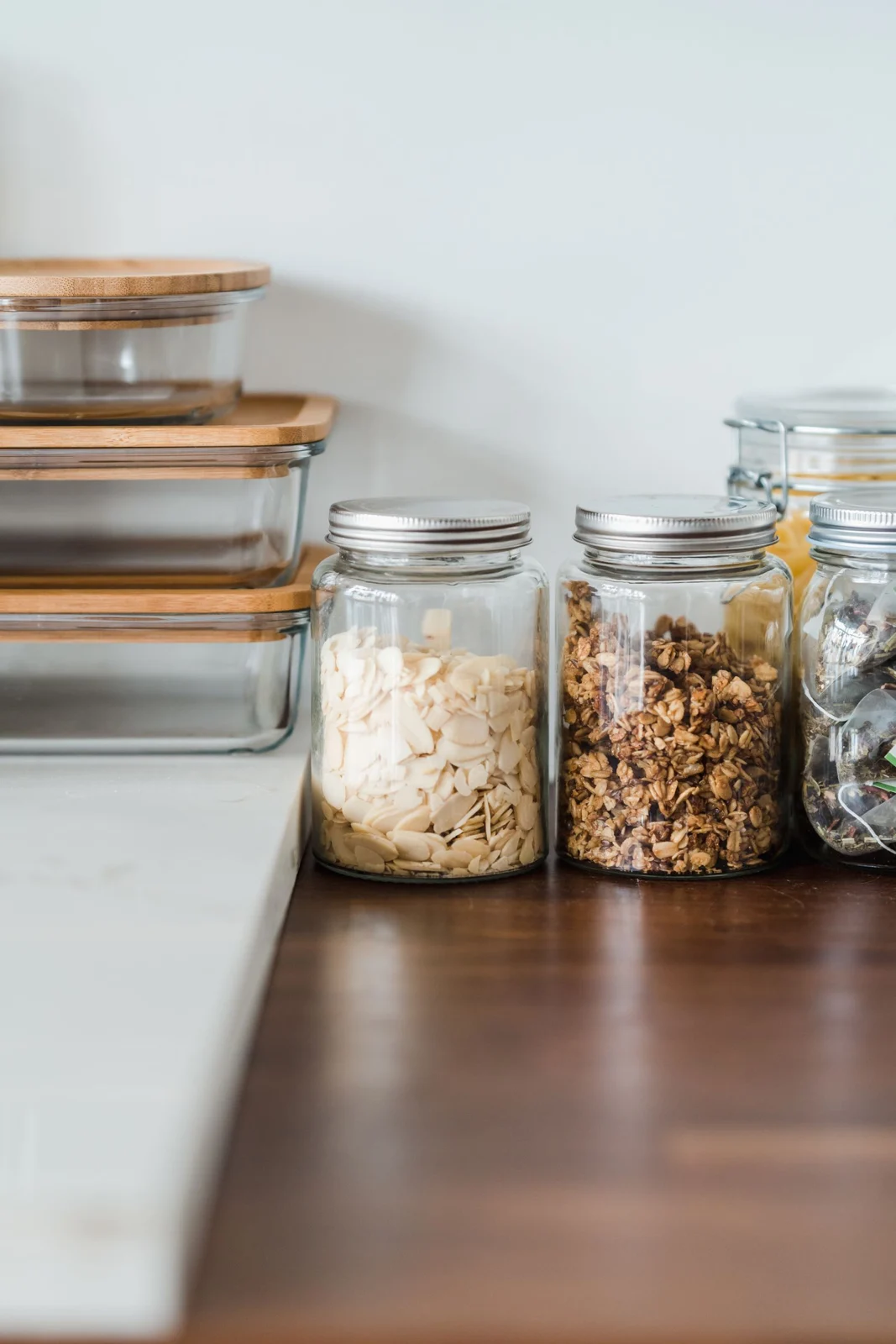
Check whether a 20-piece description means ten containers and ten lids. Then note each capacity. A set containing many small sauce pots will not replace several lunch boxes, even if the total count is high. Consider whether you need broad, shallow containers, tall ones for liquids or compartments that keep foods separate.
Measure the shelf, freezer drawer or lunch bag where the containers will go. External dimensions matter for fit, while internal capacity matters for food. A large lid overhang can waste shelf space, and a round tub may fit your bag less neatly than its litre capacity suggests.
Verify the intended uses
Look for explicit information about freezer, microwave and dishwasher use. Check whether those statements apply to the lids as well as the bases and whether there are instructions about venting or removing parts. Do not infer oven suitability from the word glass or microwave suitability from the word plastic.
If you carry food in a bag, establish whether the seller claims a suitable leak-resistant closure. A lid that snaps shut is not evidence that a container can be carried on its side with liquid inside. Check seals and replacement parts where relevant, rather than assuming all containers in the range use the same lid.
Count only the containers that solve a real storage problem when comparing a bundle with separate purchases. Nesting may reduce space when empty, but assess whether the lids can be kept together and found quickly. One familiar shape with interchangeable parts may be convenient, provided the maker confirms compatibility. Keep packaging until you have checked the sizes and closures, then follow the product's food-contact and care instructions rather than treating the promotional photograph as a usage guide.