Measure the space and the things going into it
Record the available width, height and depth, then account for skirting boards, sockets, curtains and nearby doors. Check the manufacturer's dimensions for the whole assembled unit. A deep shelf may fit against the wall yet leave too little room to walk past comfortably.
Measure the items you expect to store, including the tallest folders or boxes. Compare them with the usable space between shelves rather than the total height of the unit. Fixed shelves offer less adjustment than movable ones, and a central divider can reduce the width available for a larger object.
Look for the permitted load for each shelf and any overall limit, following the manufacturer's instructions about how weight is distributed. A photograph full of books does not establish a stated load rating. If essential load information is absent, ask the seller before choosing the unit.
Include the route from delivery to the room
Check package dimensions and weights as well as the assembled size. The flat-pack cartons may be long, heavy or split across several boxes. Compare the delivery service with your access arrangements: the building entrance, stairs, lift and final room all matter.
Read what the delivery charge covers. Leaving cartons at a doorway is different from carrying them into the room where assembly will happen. If you need help moving packages, arrange it before delivery rather than treating it as a free part of the purchase.
Make space to open the cartons and follow the assembly instructions. Some units need to be built on the floor and then lifted upright, which requires more room than their finished footprint suggests. Check the instructions for the recommended number of people.
Treat wall restraint as part of the job
Follow the product's instructions on securing it to the wall. IKEA's furniture-safety guidance explains that suitable attachment depends on wall material; the presence of a restraint fitting in the box does not establish that every required wall fixing is included or suitable for your wall.
Find out which fixing hardware the manufacturer supplies and which items must be chosen separately. If you do not know the wall construction or cannot assess the installation, budget for someone qualified to do that work. Do not select screws and plugs solely because they are the cheapest pack available.
If permission is needed to fix furniture in a rented property, resolve that before buying. Choosing a unit that requires restraint while planning to omit that step is not a workable saving. Ask the supplier about alternatives suited to your circumstances.
Compare assembly quotations on the same basis
A paid assembly service may cover putting the panels together but exclude wall attachment, packaging removal or moving an existing unit. Ask for the included tasks in writing. Give the assembler the product details and information about the room so that the quotation relates to the actual job.
List the product, delivery, assembly, necessary fixings and any agreed disposal service as separate costs. In a hypothetical comparison, a £90 unit with £20 delivery and £45 assembly costs £155 before any extras. A £130 alternative with those services included may therefore be cheaper overall, provided the dimensions and service scope also suit.
Check what makes the advertised arrangement complete
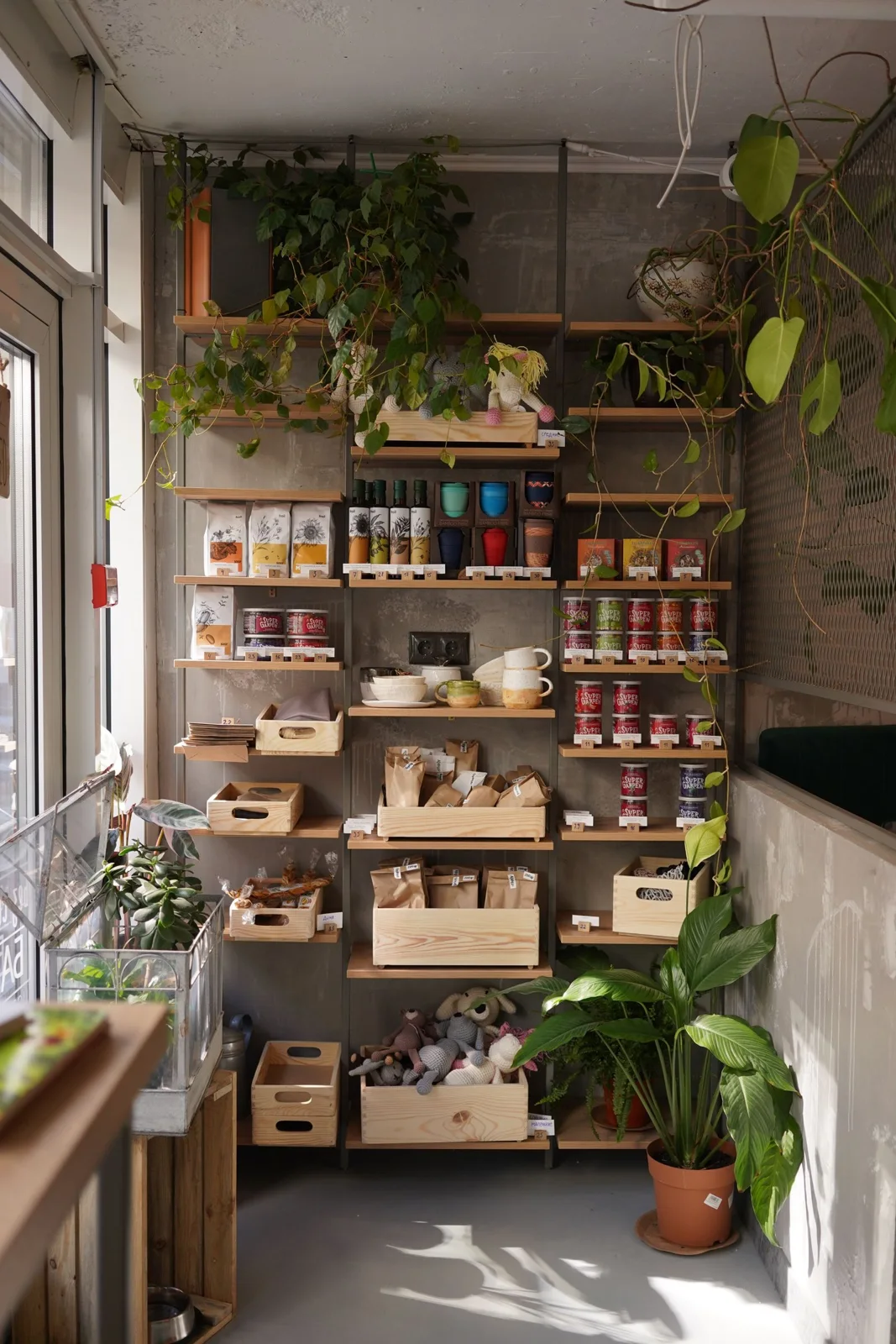
Doors, drawer inserts, extra shelves and storage boxes are sometimes shown in photographs but sold separately. Read the package contents and add only the components needed for your planned use. An open shelf does not need every accessory in the styled room.
Keep the instructions, item reference and spare supplied hardware after assembly. Check the finished installation according to the manufacturer's guidance before loading it. The completed comparison should be between two usable storage arrangements, with the required work included, rather than between two prices for unopened cartons.