Build the actual set
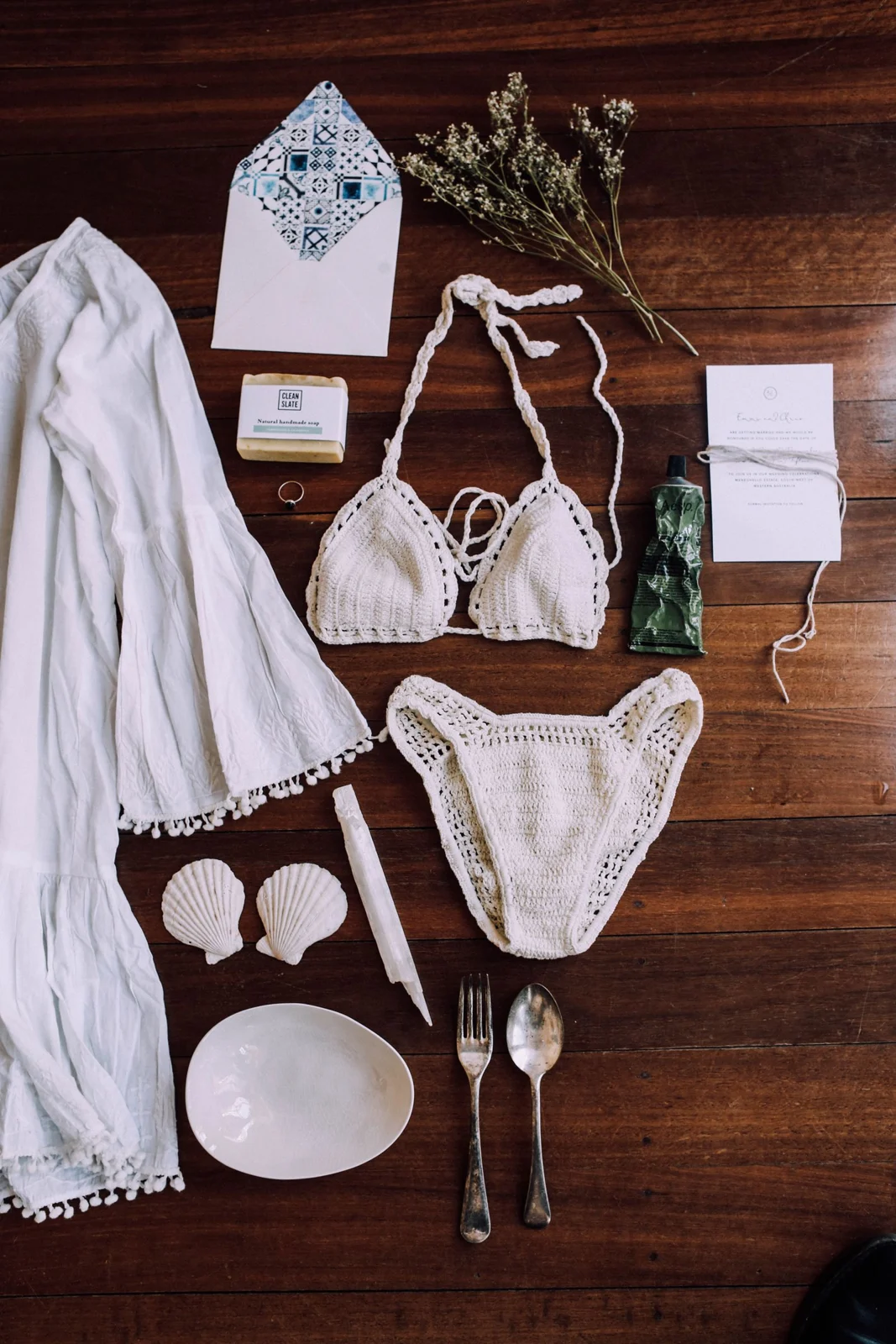
Confirm whether the displayed price applies to a top, bottoms or both. Select the right size for each part and note the resulting total. A low price on a top is less useful if matching bottoms are unavailable or only sold in a size that does not fit.
Do not assume that pieces with similar colour names will match across ranges. Fabric, pattern scale and shade can differ, and screen images may hide those differences. If combining separate pieces deliberately, choose a combination you like rather than relying on an exact match the seller has not promised.
Check fit and intended use
Use the brand's measuring guide and examine the fit details, such as adjustable straps, fastening and the shape of the top or leg opening. For a one-piece, body length can matter alongside bust, waist and hip measurements. A larger or smaller size is not a reliable substitute for a different cut.
Consider what you will use it for. A garment for occasional lounging may have different design features from one intended for regular swimming. Read the actual product information rather than inferring performance from a sporty appearance. If specific support or coverage is important, look for clear details for the selected model.
Keep the complete cost visible
Add delivery and any necessary second piece before judging the sale. In a hypothetical example, a £12 top and £18 bottoms make a £30 set, which should be compared with other complete options. An optional cover-up or bag is not part of the saving unless you already intended to buy one.
Read the seller's hygiene and return conditions before trying the item, and preserve protective liners and labels as required. Follow the care instructions after deciding to keep it. A suitable complete set is a better purchase than a cheap first piece that starts an expensive search for something to wear with it.