Compare the garment details
Read the fibre percentages for each colour if they differ. A marl version may have a different composition from a plain one, and stretch content can affect how a shirt feels. Check sleeve length, neckline, body length and whether the cut is described as fitted, regular or relaxed.
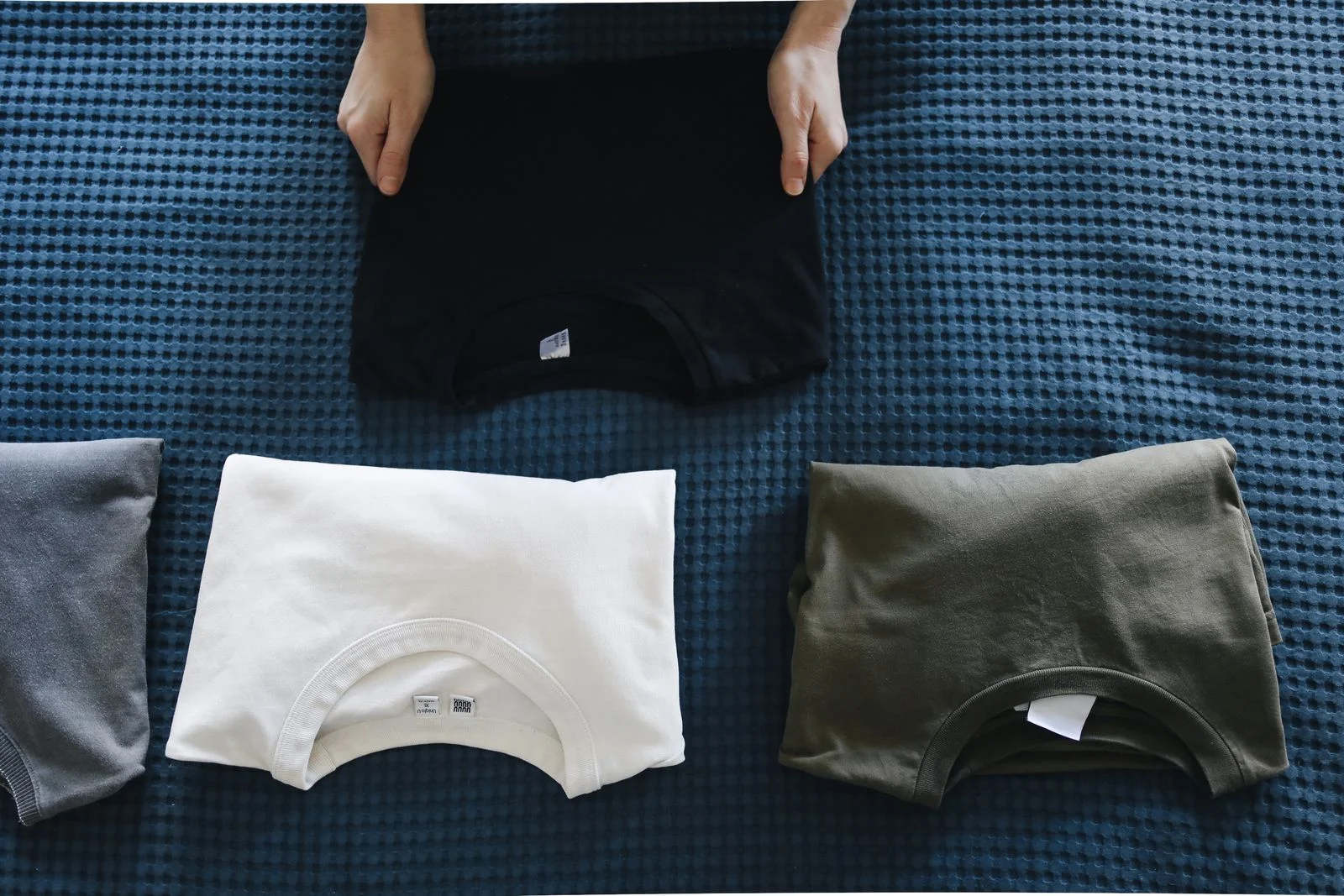
Use measurements from a T-shirt you already wear, laid flat without stretching, and compare them with any finished-garment measurements supplied. If the seller only provides body measurements, use that guide as intended. Do not double a flat width and compare it casually with a body measurement without allowing for the garment's intended fit.
Price the colours you want
For a hypothetical offer, five shirts at £25 cost £5 each if all five will be worn. If only three suit your wardrobe, you are spending £25 to obtain those three useful tops, or about £8.33 each. That makes a separate £7 shirt a more relevant comparison than the advertised pack average.
Think about how the colours work with your existing trousers, skirts and layers. A duplicate of a frequently worn neutral can be useful; a colour you repeatedly leave in the drawer is unlikely to become more useful merely because it arrives in a multipack.
Read the care instructions and inspect the seams and fabric when the pack arrives. Try items according to the seller's conditions before washing them, and establish whether a set must be returned together if one size or colour is unsuitable. If the range is unfamiliar, a single purchase may be a sensible first check before ordering several packs. The useful measure is the cost of shirts that enter your normal rotation, rather than the number folded into the packaging.