Check the main bag first
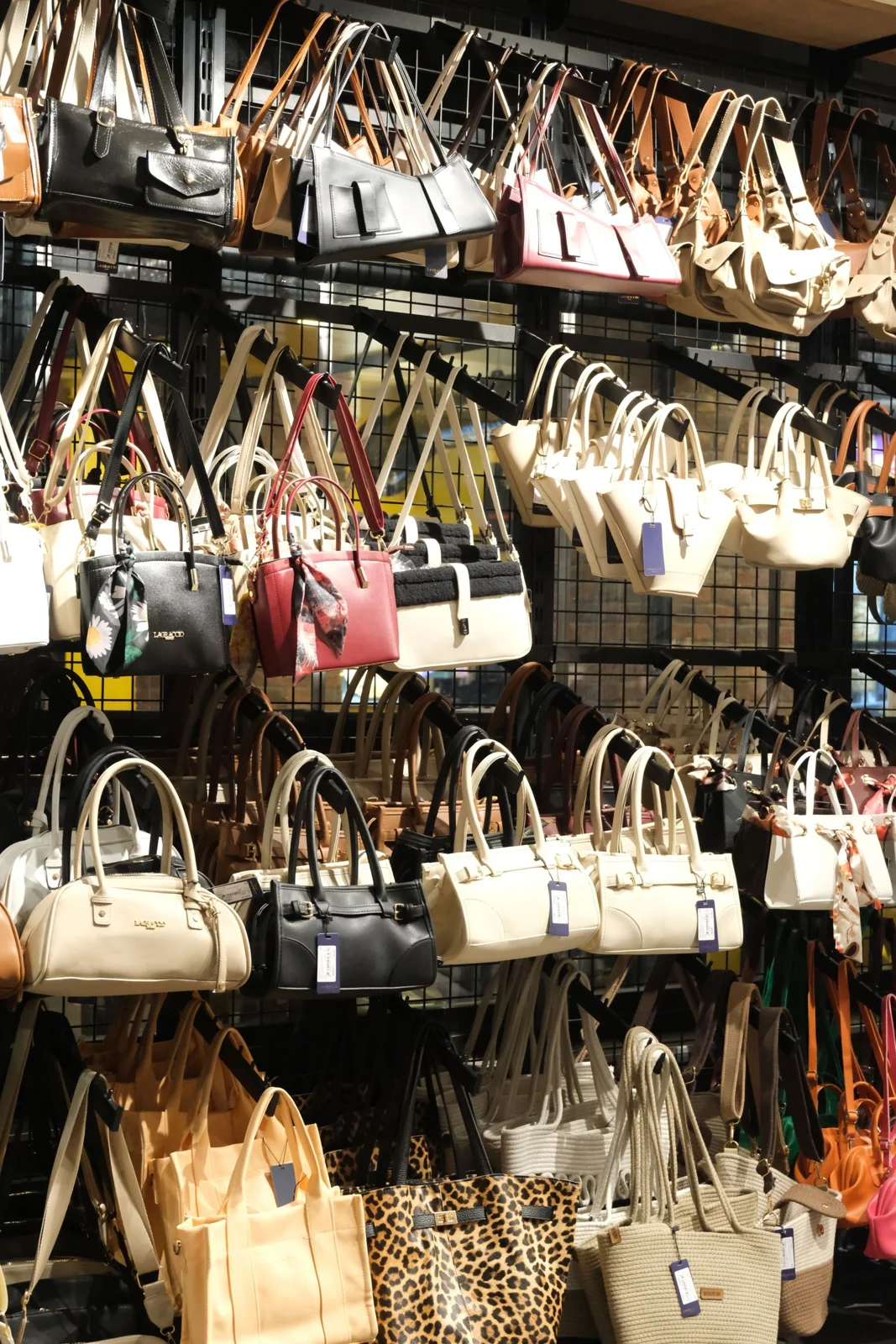
Compare the internal dimensions with your everyday essentials. A tablet, notebook or water bottle may not fit through a narrow zip opening even when the exterior looks large enough. Check the closure, lining, pocket arrangement and strap length, including whether that length is adjustable.
If you plan to wear the bag across the body, consider how it sits over a coat as well as lighter clothing. Look at the stated materials for the outer, trim and lining rather than assuming every part of a set has the same construction. A stylish photograph does not reveal how much the empty bag weighs.
Give every extra a purpose
A matching pouch might organise small items in the main bag, serve separately or simply duplicate a pouch you own. Check whether it has its own strap or attachment, and whether that accessory is included. A piece described as a purse may be too small for the cards or coins you usually carry.
Use the cost of the main bag you need as the starting comparison. In a hypothetical example, a £45 set is not automatically better value than a £32 bag if the extra pieces have no role. If you were already planning to buy a suitable purse for £15, the comparison becomes more interesting, but only if the set's purse meets that need.
Measure storage space and consider whether you would use all the pieces in the same colour. Check whether returns apply to the complete set and inspect each component before removing labels. A bundle can be worthwhile for someone building a coordinated everyday setup, while a single bag can be the better purchase for someone replacing one worn item. Count useful functions rather than accessories arranged around the main bag in the photograph.