Use a belt that already fits
Lay an existing belt flat without stretching it and identify the hole you normally use. Then follow the new retailer's measurement diagram. Some charts measure from a point at the buckle to a fastening hole; a total end-to-end length can describe something different. Record the measuring points as well as the number.
If no suitable belt is available, measure around the clothing where the belt will sit. A belt worn over a loose dress may need a different length from one threaded through jeans at the hips. Avoid automatically adding an arbitrary number of inches to a trouser label; use the guidance for the product you are buying.
Check adjustment and width together
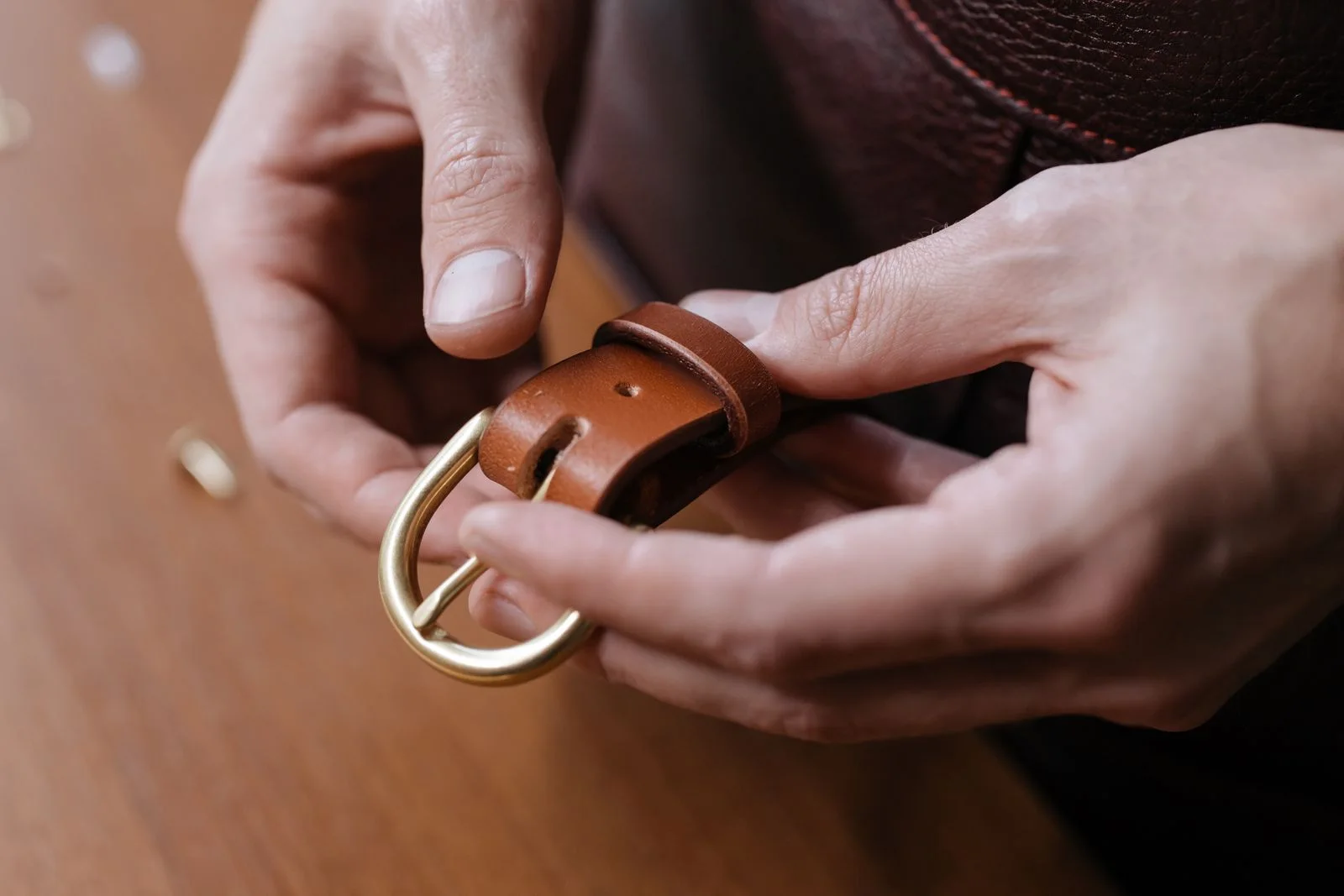
Find the available fastening range, not just a single size name. You may prefer some adjustment in both directions rather than relying on the first or last hole. For an elastic, braided or ratchet design, read how adjustment works and whether the quoted dimensions refer to the relaxed product.
Measure the belt loops on the intended trousers. A broad belt can fit your waist yet fail to pass through the loops. Check the buckle as well: its size, weight and finish affect whether you will actually wear the purchase with the clothes you had in mind.
Compare the right sizes at their checkout prices
A search result may show the lowest price for a size or colour you cannot use. Select the required version before recording the price, delivery charge and return conditions. Keep a screenshot of the size chart if the listing is likely to disappear after the sale.
Do not plan to punch extra holes or cut a belt unless the product is expressly designed for adjustment and you understand the instructions. An alteration can change the item and affect an optional return policy. When sizing information remains ambiguous, send the seller your measurement and ask which listed size it corresponds to before ordering.