Choose useful reference garments
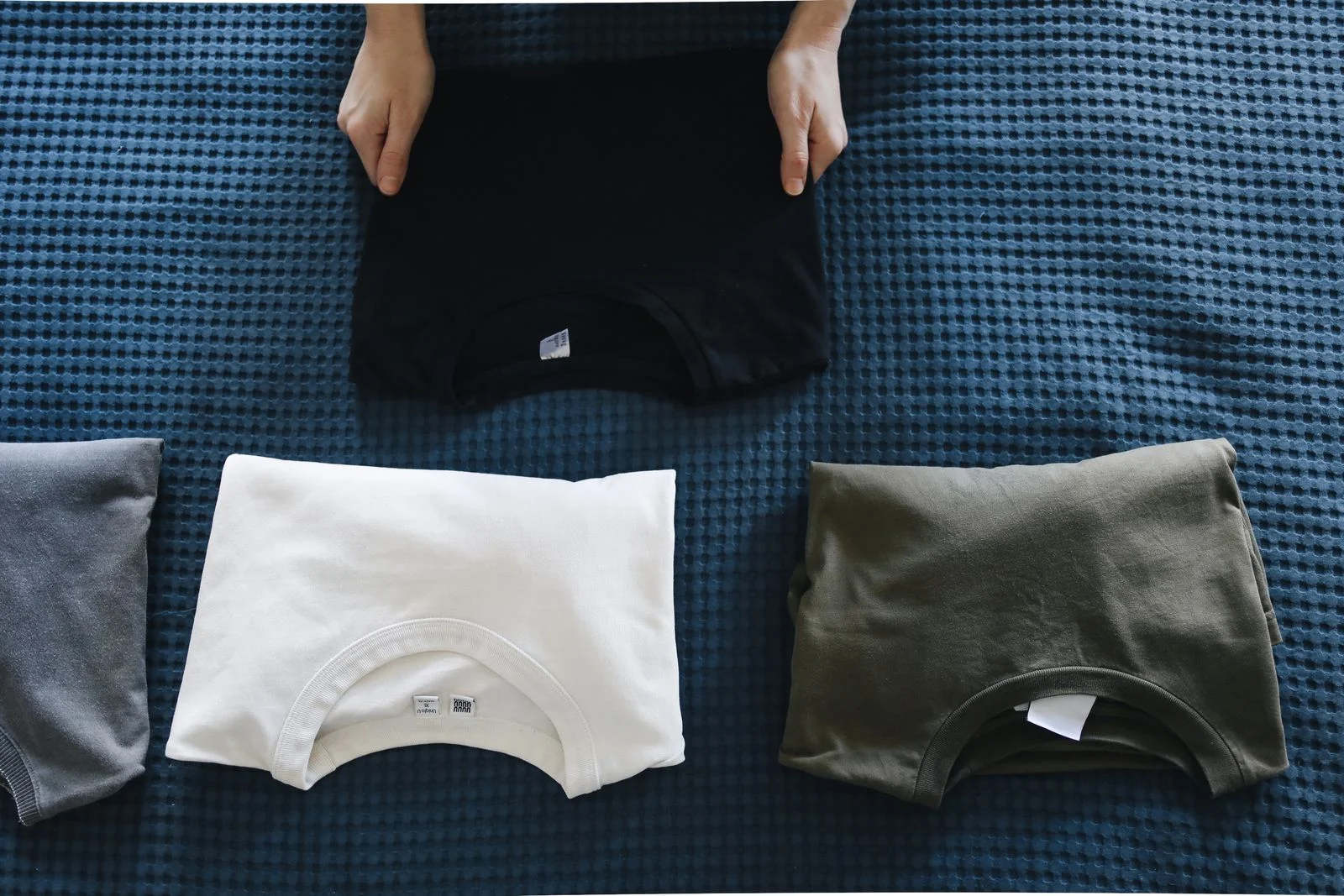
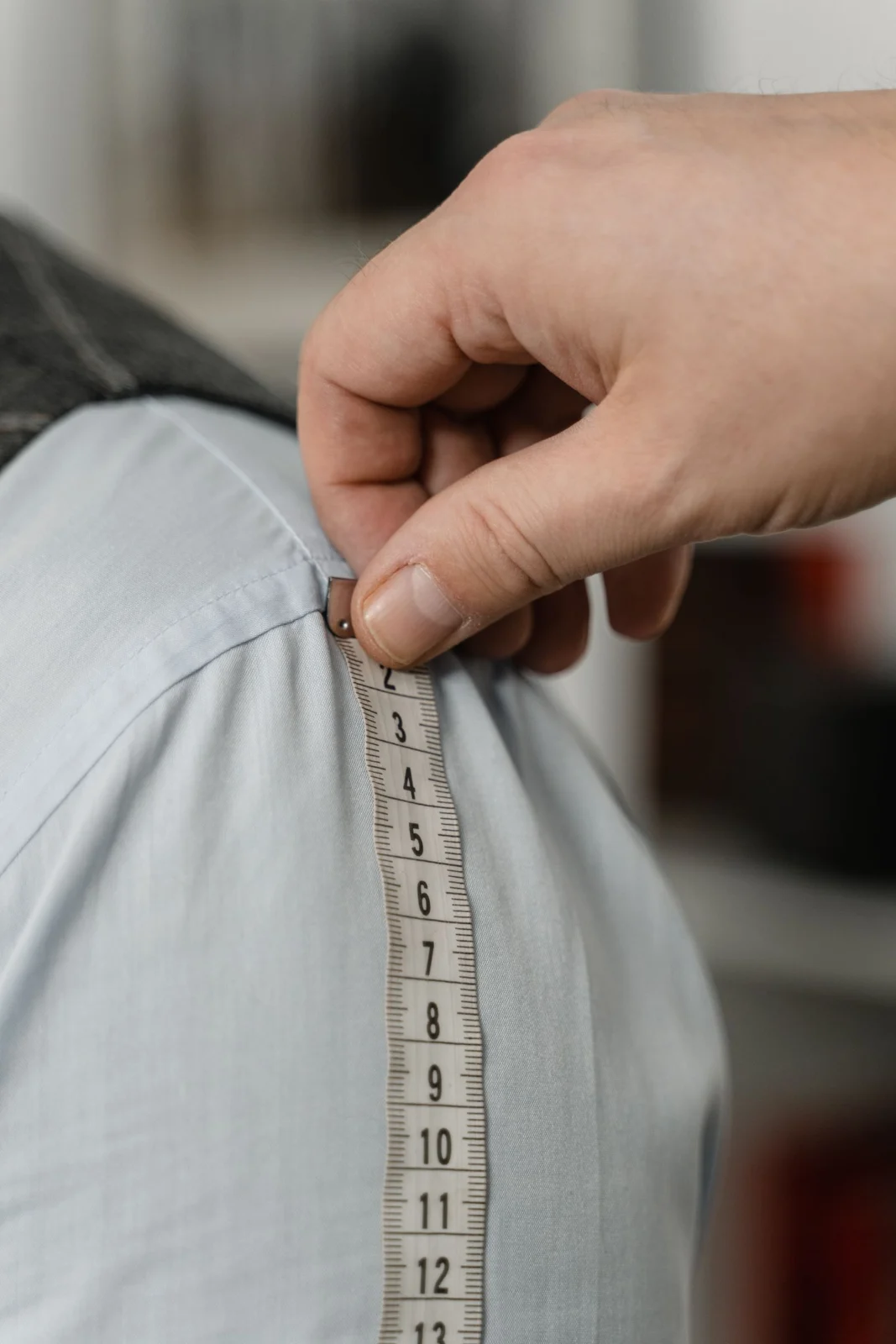
Pick a few frequently worn pieces with different jobs, such as a shirt, trousers, a jumper and a coat. Lay each flat and unstretched on a suitable surface. Record the measurements relevant to its fit, such as chest width, body length, sleeve length, waist, rise or inside leg.
Describe the measurement points. Sleeve length measured from the shoulder seam is different from a measurement starting at the centre back. A flat waist width is not the same number as the circumference. Label the units and method so that a note made today still makes sense several months later.
Compare the right kind of chart
Retailers may publish body measurements, finished-garment measurements or both. Read the explanation before comparing your reference. A garment usually includes room for its intended fit, so the measurement of a favourite shirt cannot simply be substituted for your body measurement in every chart.
Note fabric stretch and the intended cut. A close-fitting stretch top and a loose woven shirt can fit comfortably with different dimensions. Use the record to identify questions about an unfamiliar listing rather than assuming a matching width guarantees identical movement or feel.
Keep the notes current
Add the brand, range and labelled size, plus a short comment such as fits over a jumper or sleeves slightly long. Update the entry if the garment changes after care or no longer fits. Keep any body measurements private and store only what you need for your own comparison.
When a new purchase works well, record it before forgetting the exact model. If it does not, note the specific issue rather than declaring the whole brand too small or too large. Over time, the record helps you choose suitable sale sizes and reduces the temptation to order whatever remains in stock simply because its number looks familiar.