Count the pairs you want to keep
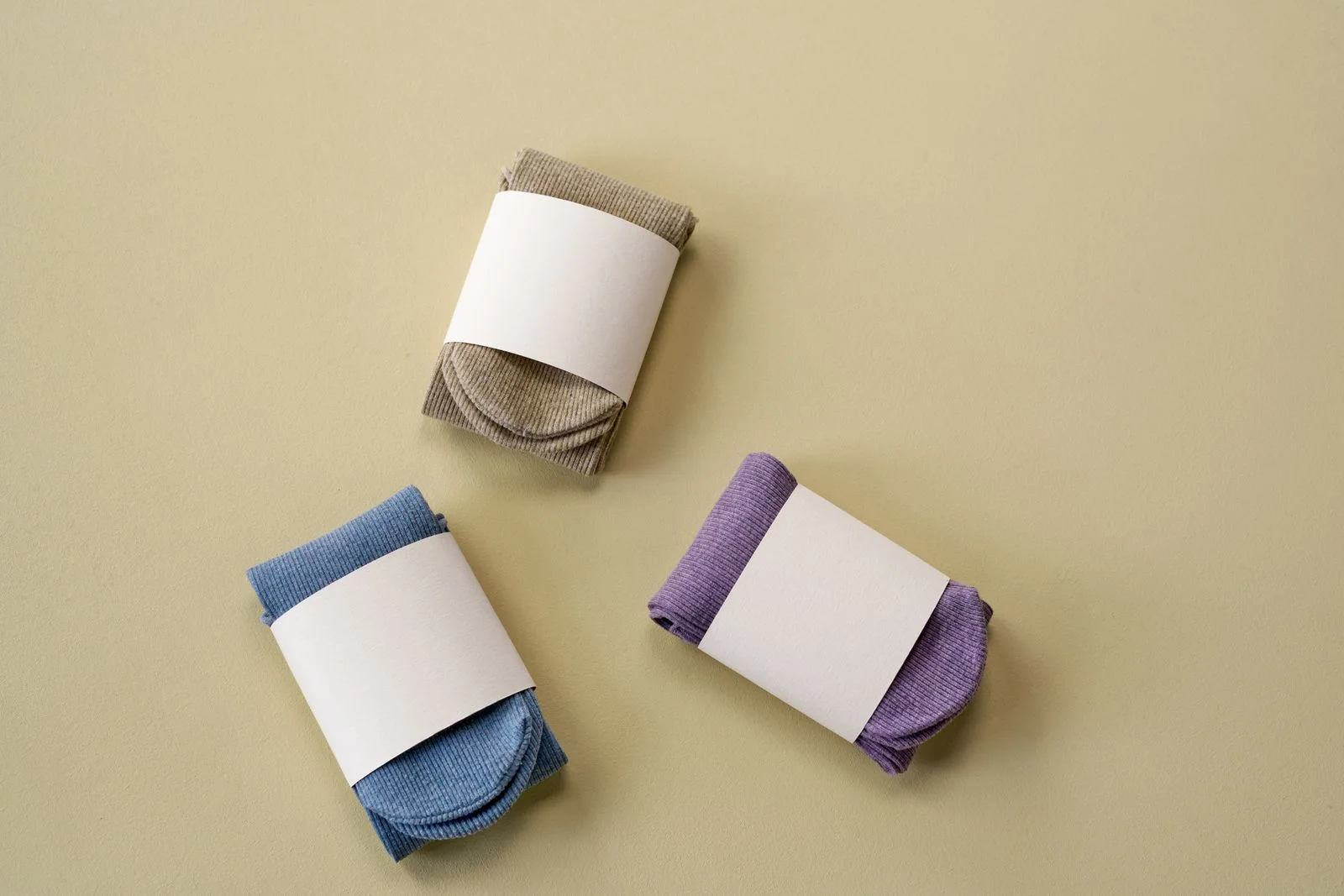
Read the contents description alongside the photograph. Establish whether the quantity refers to pairs and whether all pictured colours are included. In an assorted pack, find out whether the selection is fixed or chosen by the seller. A photograph with several colourways may illustrate alternatives rather than the exact contents.
As a hypothetical example, a £12 pack of six pairs works out at £2 per pair. If you would wear only three of those pairs, the cost of the useful pairs is £4 each. A £9 pack containing three suitable pairs would then cost less overall. That is a way to test your preference, not a suggestion to discard socks merely because the pattern is unexpected.
Match them to the shoes and the wearer
Check the size range used by that brand and which sizing system it follows. When shopping for someone else, ask for their shoe size and preferred sock height rather than guessing from an adult or junior category label. A product called one size still needs a stated fitting range to be meaningfully compared.
Consider what the socks will be worn with. Thick fabric takes up space inside shoes, and a low-cut style may show differently around different openings. Compare the construction and fibre percentages of the actual listing. Words such as cotton-rich describe a blend without telling you the complete composition.
For a repeat purchase, the label from a pair that fits well can be more useful than a broad promise of softness. Compare its composition, height and approximate thickness with the new pack, while allowing for changes between ranges.
Keep laundry and repeat buying simple
Read washing and drying instructions before ordering several packs. A bargain that needs a separate wash routine may be inconvenient in your household. Do not assume all dark, pale or patterned socks share the same care directions.
Identical pairs can make matching easier, while contrasting patterns can help different household members identify theirs. Either approach can work. Choose a quantity that replaces an actual shortage, and record the product name if the fit is successful. Buying an unfamiliar design in bulk to reach a discount threshold risks multiplying the same fit problem.