Choose the location through the supported service
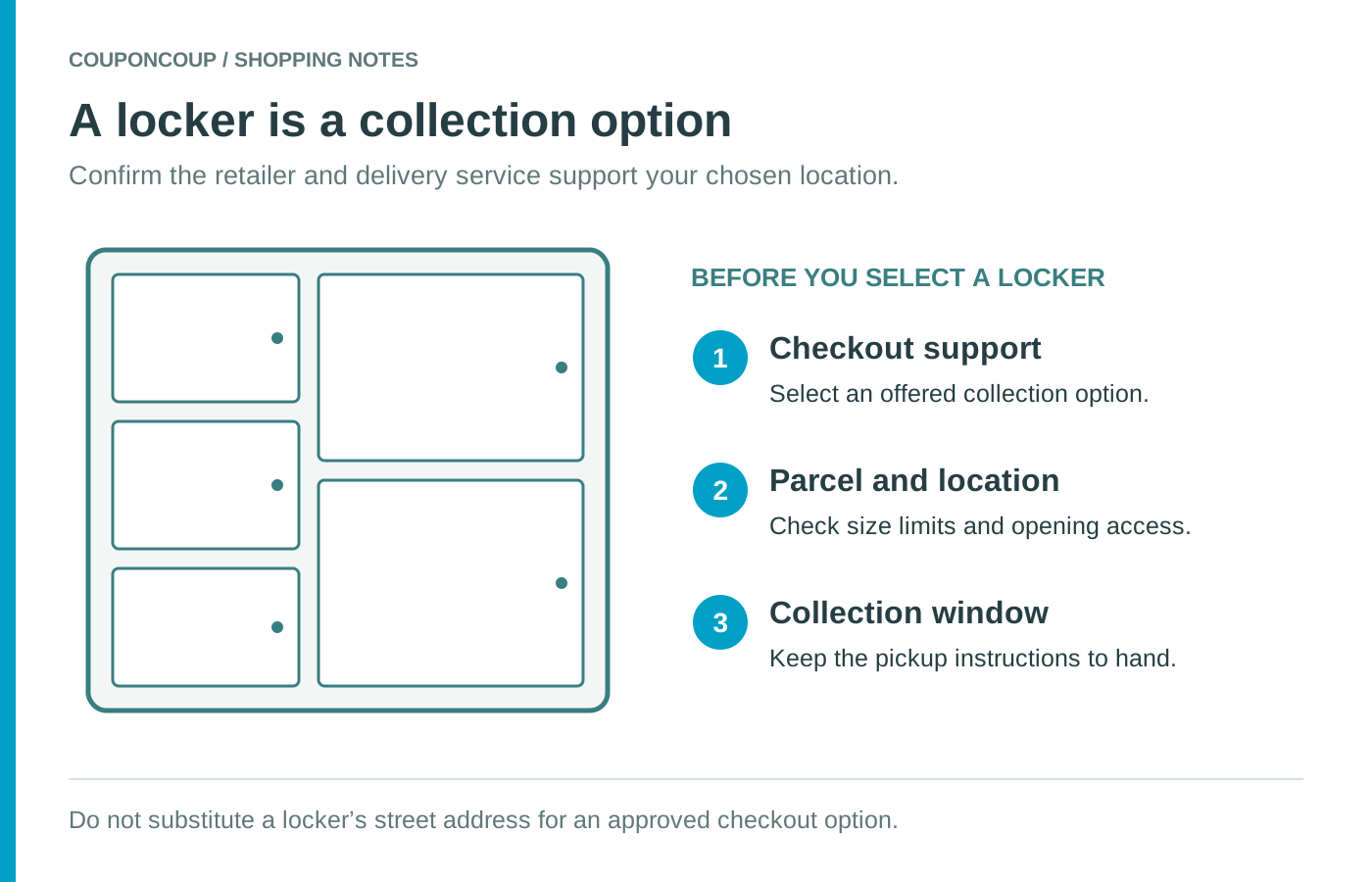
Look for a locker or collection option during checkout and select the location using the retailer's own process. Do not type a locker site's street address into an ordinary home-delivery form and assume the carrier will put the parcel inside. A supported booking needs the information that connects your parcel with the collection system.
Some orders may offer a locker at checkout, while others permit a later diversion through the carrier. Check what is available for your actual parcel; product restrictions, delivery services and the retailer's instructions can affect the choices. Evri's locker guidance, for instance, describes retailer-supported collection and eligible diversions, rather than a promise that every order can use any locker.
Confirm the selected site's name and postcode on the order summary. Similar location names can be confusing, particularly when a shopping centre and a nearby supermarket both host collection points. Keep the confirmation until the parcel has been collected.
Plan from the ready-to-collect message
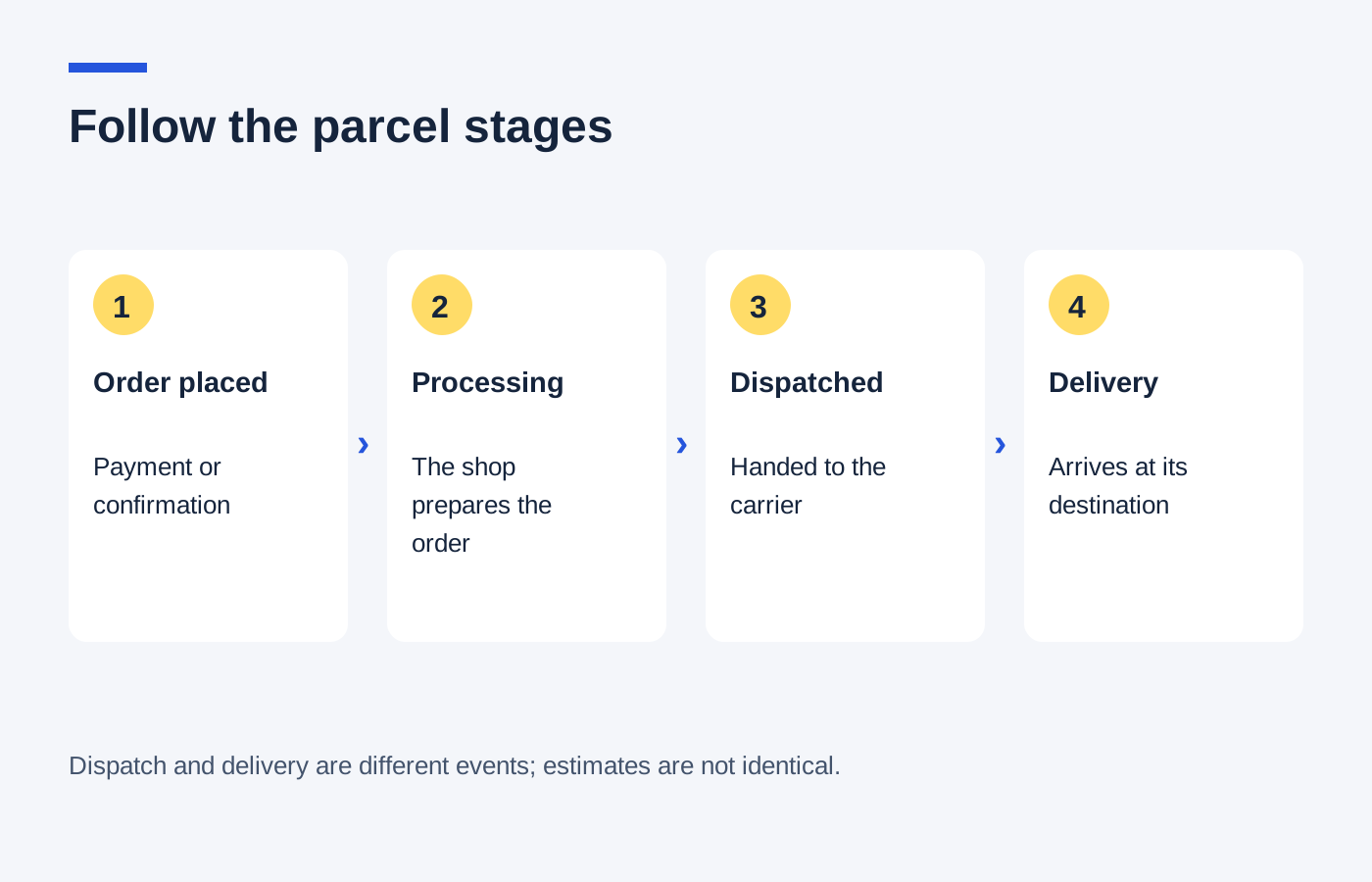
An estimated delivery date does not confirm that your compartment is ready to open. Wait for the relevant collection notification before making a special journey. Check that the email address and mobile number attached to the order are correct, and look at the carrier's guidance if messages do not arrive.
Read the actual deadline in the notification. InPost's published guidance gives customers three days after arrival to collect, with uncollected parcels returned to the sender. Other services and collection arrangements may differ, so do not assume a deadline remembered from a previous order applies to the next one.
If you will be away around the expected arrival date, consider another delivery method before ordering. A locker does not provide indefinite storage. Find out whether the service permits someone you trust to collect on your behalf, and follow its instructions for sharing any collection details. Treat those details as access to your parcel, not as information to post publicly.
Check the journey and the parcel
Look at the site's location details, entrance and access times. The opening hours of a nearby shop and access to an outdoor locker need not be the same. If you depend on step-free access or a particular compartment height, check the carrier's accessibility information before relying on the location.
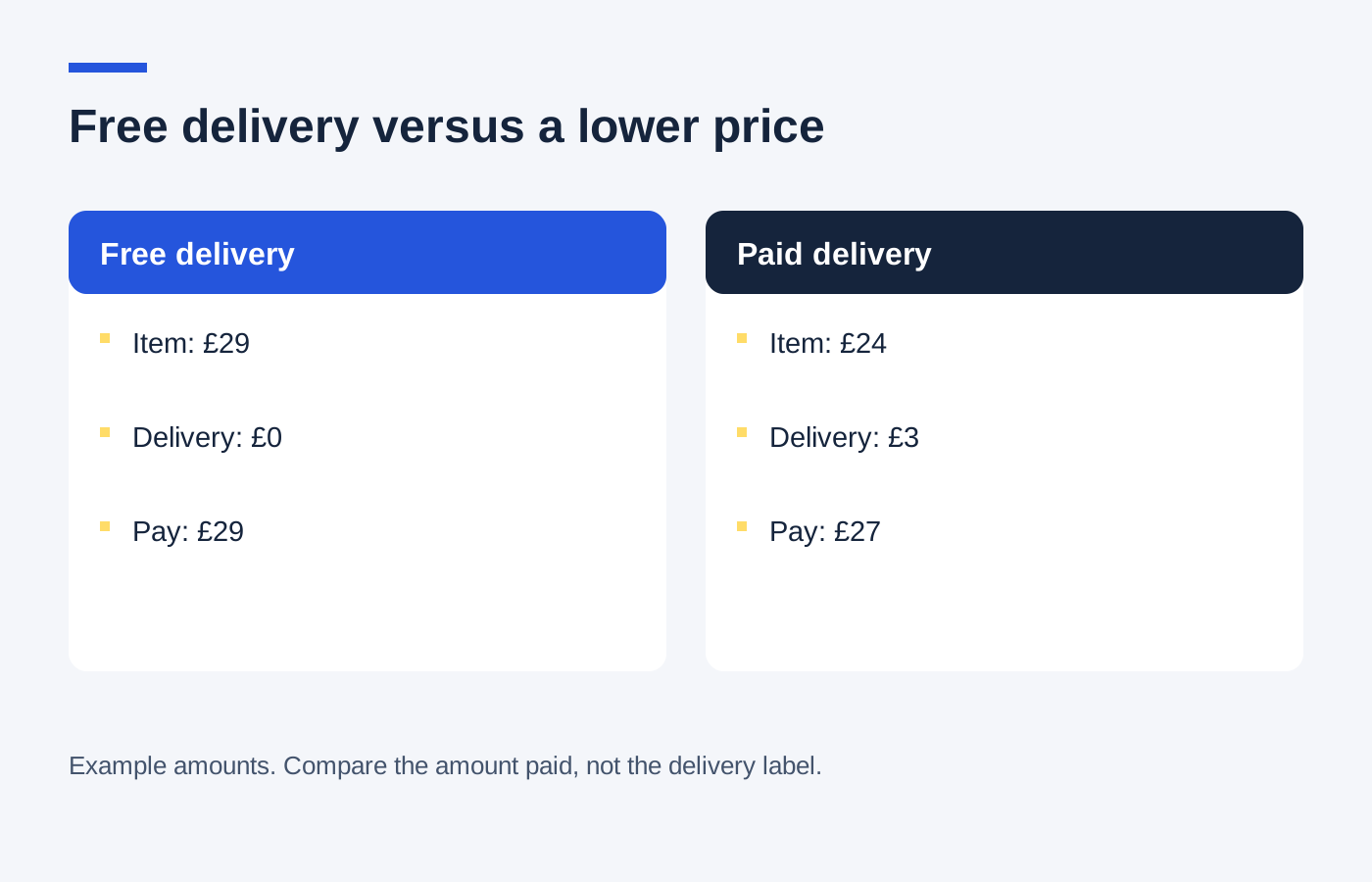
Think about the parcel you will carry home. A collection point convenient for a small clothing bag may be awkward for a bulky household purchase. Add parking, public transport or a special trip to the cost comparison where those expenses apply. A small delivery saving is less attractive if collection requires an otherwise unnecessary journey.
Keep enough phone charge or an allowed alternative available to retrieve the code or open the carrier's app. Read the collection instructions before arriving if you have not used that service. You may need a code, a QR code or another stated method; the process should come from the carrier rather than a generic guide.
Have a route for problems
If the locker will not open or the notification points to a different site, use the carrier's official help channel and record the parcel reference. Avoid repeatedly travelling back without a confirmed change in status. If a parcel is returned to the sender, contact the retailer about the order and any refund or replacement arrangements.
A successful collection is the point at which the method can be judged for your routine. Note whether the location, access and carrying distance suited you. Use that experience for the next order while checking the new order's offered services and deadline again.