Check safely and record what you see
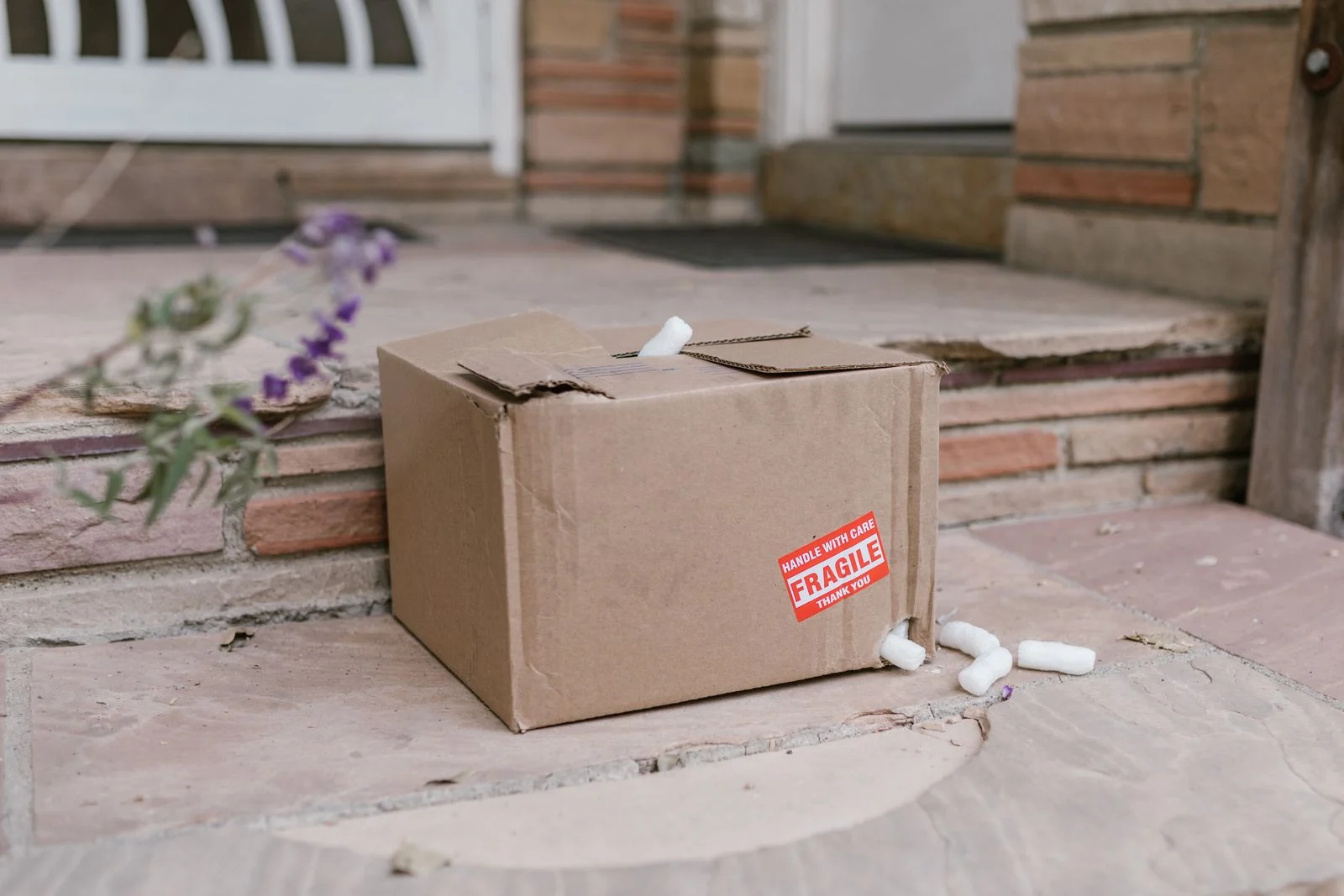
Photograph the outer packaging, label and visible damage before moving things unnecessarily. Then inspect the contents if it is safe to do so. Keep broken glass, leaking substances or damaged electrical equipment away from use, and follow appropriate handling instructions for the product.
Take clear pictures of the item and the affected area, with enough context to identify which part is damaged. Note whether other items in the same parcel are intact. A few focused photographs are often easier to explain than a large set of almost identical close-ups.
Do not attempt a repair merely to see whether the item can be made usable. Describe its condition as delivered and ask the seller how it wants the problem handled.
Keep the packaging while asking for instructions
Retain the box, internal protection and relevant labels where it is safe and reasonable to do so. They may help show the condition of the delivery or provide suitable material for a return. Keep packaging away from children and do not store a leaking or hazardous parcel in an unsuitable place.
Contact the retailer promptly using the order reference and a concise description. Royal Mail’s guidance for online buyers recommends contacting the retailer about missing or damaged purchases. If the seller asks for photographs, use its established support channel.
State whether the product itself is damaged or only the outer box. A crushed shipping carton around an intact item presents a different issue from a cracked product inside apparently sound packaging.
Agree the next movement of the item
Ask for clear instructions before sending the goods anywhere. Confirm the return address, any collection arrangement and how the parcel should be identified. Do not use an address from the shipping label as the return destination without checking it.
Keep the correspondence and any handover or posting evidence. If the seller requests disposal rather than return, retain that written instruction and follow appropriate disposal guidance for the item.
Do not confuse the handling of damaged goods with an ordinary change-of-mind return. Describe the fault and circumstances accurately, then use the relevant consumer guidance if the proposed response does not address the problem.